Port of Kribi Reviews Operations and Future Outlook
Port of Kribi Reviews Operations and Future Outlook
Strong performance driven by traffic growth and ongoing modernization efforts
During its 17th Operations Meeting, the Port Authority of Kribi assessed performance indicators and outlined strategic priorities to strengthen its competitiveness.
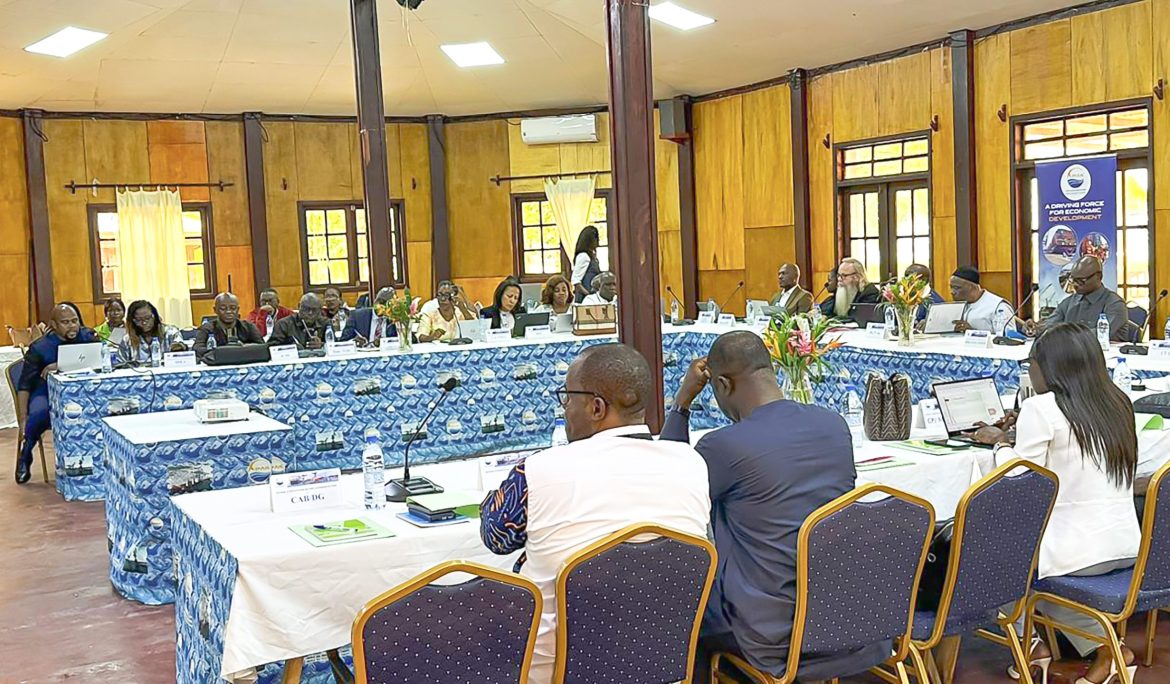
The 17th Operations Meeting of the Port Authority of Kribi (PAK) was held on Thursday, March 5, 2026, at the Ilomba Conference Room in Kribi, under the chairmanship of the General Manager, Patrice Melom. The session brought together key stakeholders of the port community, including customs officials and senior management.
The meeting provided an opportunity to review operational performance, analyze key indicators, and define strategic priorities aimed at enhancing the port’s competitiveness.
Customs services reported cumulative revenue of 135.2 billion CFA francs. Despite this positive overall performance, some activities declined, including a 12.5% drop in sanitary inspections and a 72% decrease in health services provided to vessels. Ship inspection operations also recorded a downturn, particularly for non-containerized cargo, reflecting shifts in global trade patterns and operational adjustments by certain port users.
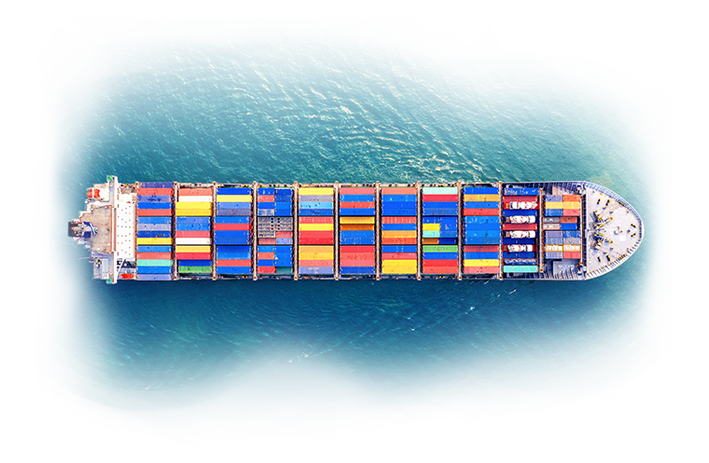
However, the steady increase in maritime traffic continues to confirm the growing attractiveness of the Kribi platform. In 2025, the average vessel size reached 189,211 gross registered tonnage. A notable highlight was the call of the MSC Cappellini, a 400-meter-long and 61.5-meter-wide vessel, which successfully docked in June and October 2025—demonstrating the port’s capacity to handle ultra-large ships and reinforcing its position as a deep-sea hub.
Non-intrusive inspection activities also increased, with 127,838 containers scanned in 2025, contributing to enhanced cargo security and compliance with international standards. The reduction in incidents at inspection sites reflects ongoing efforts to improve operational efficiency and coordination among stakeholders.
On the commercial front, the port maintained strong results driven by ten major clients, including leading global shipping companies such as CMA CGM and MSC, which together account for nearly 70% of total traffic. While this underscores the strength of existing partnerships, it also highlights the need to diversify the client base to ensure long-term resilience.
Discussions identified several priority actions to sustain this growth momentum, including improving inter-agency coordination, accelerating digitalization, optimizing infrastructure use, strengthening safety standards, and enhancing staff capacity.
Progress on the transition from Phase I to Phase II of the port development program was also reviewed. This expansion is expected to significantly increase handling capacity, improve cargo flow, and reinforce the port’s role as a logistics hub in Cameroon and the Central African sub-region.
Overall, the meeting highlighted encouraging results and reaffirmed stakeholders’ commitment to continuous improvement. The Port Authority of Kribi remains focused on consolidating its competitive advantage through modernization, stronger institutional collaboration, and sustained performance.