Kribi Petroleum Terminal: Energy Security Takes Shape
Kribi Petroleum Terminal: Energy Security Takes Shape
The Port Authority of Kribi and SCDP are advancing the development of the future Kribi Petroleum Terminal, a strategic infrastructure project aimed at strengthening energy supply security in Cameroon and the Central African sub-region.
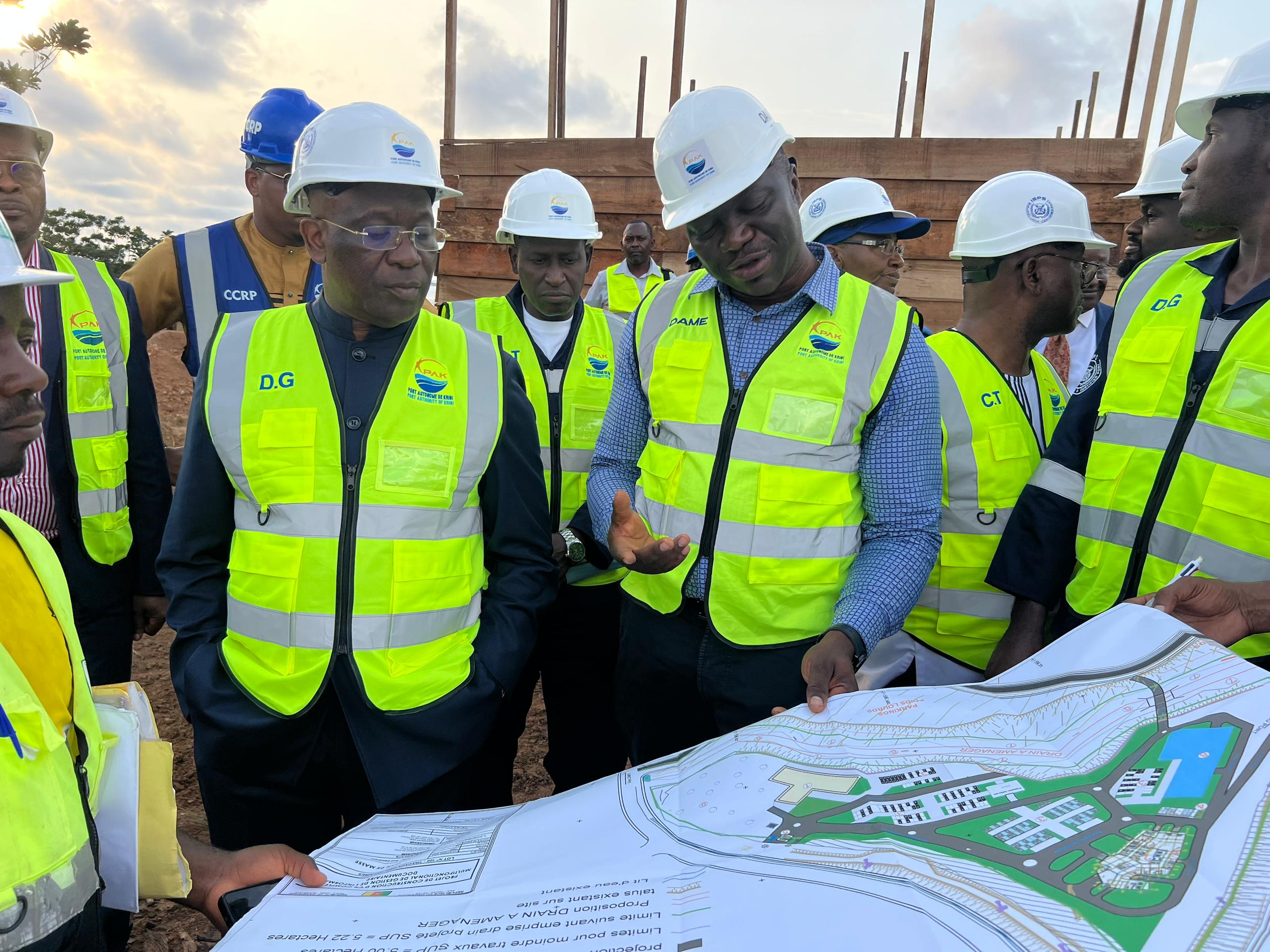
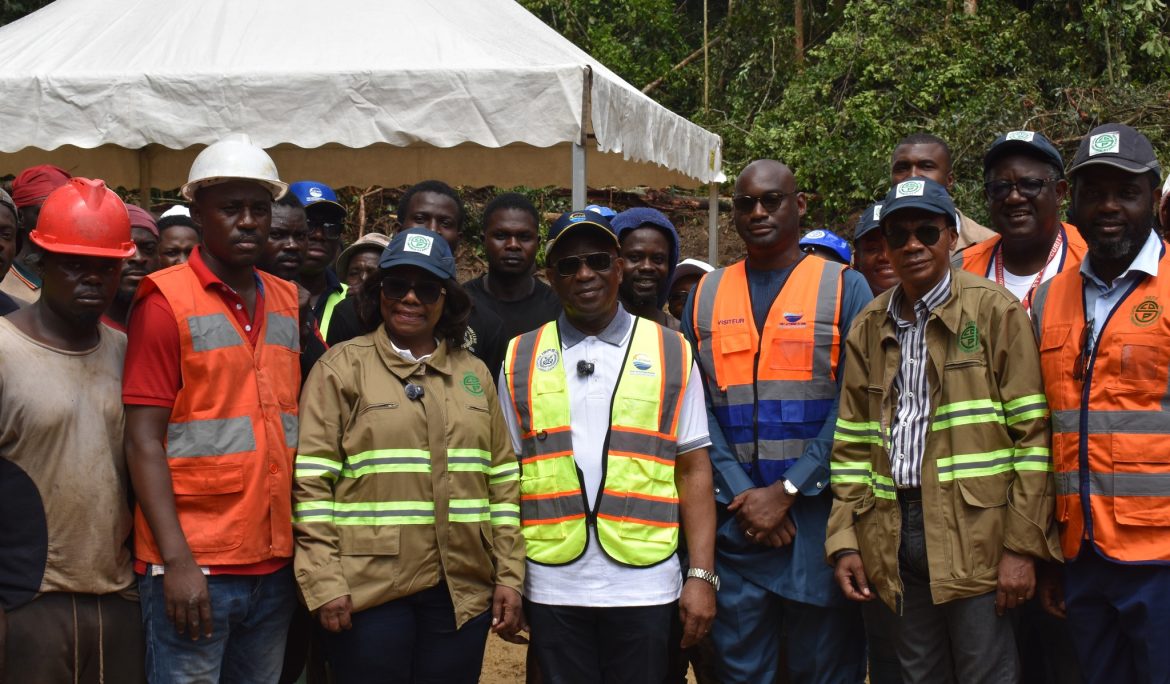
On 5 June 2026, the Port Authority of Kribi and the Cameroon Petroleum Storage Company conducted a site visit to the future Kribi Petroleum Terminal. This landmark project is expected to position Kribi as a major energy hub in Central Africa.
On 5 June 2026, the Port Authority of Kribi (PAK) and the Cameroon Petroleum Storage Company (SCDP) conducted a visit to the site designated for the future Kribi Petroleum Terminal (KPT), a strategic infrastructure project set to play a key role in strengthening Cameroon’s energy security.
Jointly developed by PAK and SCDP, the project’s first phase includes storage capacities of 140,000 cubic metres of liquid petroleum products and 12,000 metric tonnes of Liquefied Petroleum Gas (LPG). The facility will feature a modern petroleum depot and a dedicated oil jetty for handling energy products.
The visit follows the approval granted by the President of the Republic for the financing of the project, marking a significant milestone toward its implementation.
Leveraging the competitive advantages of the Port of Kribi, including its deep-water facilities and extensive Industrial-Port Zone, the terminal will be capable of accommodating large-capacity vessels, reducing logistics costs and improving the efficiency of energy supply chains.
Beyond serving the domestic market, the Kribi Petroleum Terminal is expected to strengthen energy supply to landlocked countries in the hinterland, particularly Chad and the Central African Republic, while reinforcing Kribi’s position as a leading energy and logistics hub in Central Africa.
Through this transformative project, the Port Authority of Kribi reaffirms its commitment to energy security, national economic development, and regional integration.