The Port of Kribi Strengthens Its Marine Pollution Response Capabilities
The Port of Kribi Strengthens Its Marine Pollution Response Capabilities
Acquisition of frontline equipment to protect its maritime and land domain
The Port Authority of Kribi (PAK) has taken a major step in its environmental policy by acquiring a strategic stock of frontline equipment to fight marine and land-based pollution. This proactive initiative aims to strengthen the port’s emergency response capacity and safeguard its ecosystem for the long term.

A Strong Commitment to the Environment
In line with its vision of a sustainable and responsible port, PAK has invested in modern equipment designed to prevent, contain, and efficiently treat accidental oil spills.
According to Patrice MELOM, Director General of PAK:
“This set of frontline equipment is primarily intended for combating land and marine oil spills.”
Versatile and Operational Equipment
The newly acquired stock includes:
-
Absorbents: to remove hydrocarbons from contaminated areas;
-
Recovery tanks: for storing hydrocarbons collected after a spill;
-
REYCAU 350 and BARRACUDA floating booms with deployment equipment, to contain spills at sea;
-
Skimmer: for recovering hydrocarbons from the water surface;
-
Personal protective equipment (PPE): to ensure the safety of response teams.
A Growing Port, Increasing Environmental Challenges
The steady rise in port activities also increases environmental risks. In the first half of 2021, PAK recorded 237 vessel calls, surpassing its mid-year projection of 206 calls by 13%.
The breakdown of vessel traffic demonstrates this growth:
-
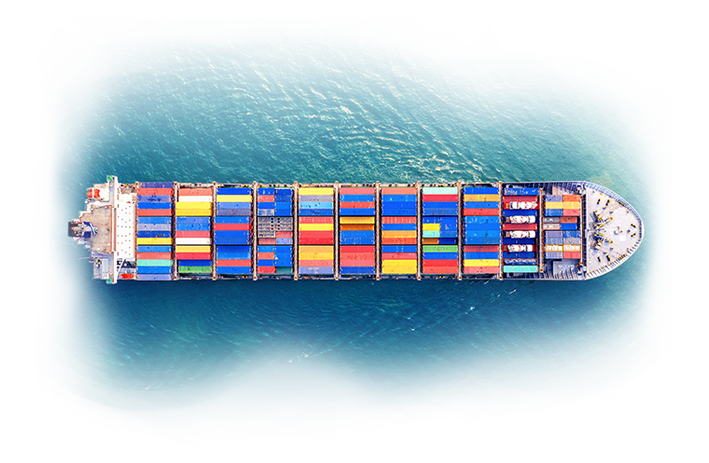
Container ships: 47.85% of calls;
-
Tugboats: 27.06%;
-
Tankers: 11.39%.
While these figures highlight PAK’s growing role in regional maritime trade, they also underline the need for stronger environmental safeguards.
Protecting the Port Ecosystem: A Priority
By equipping its teams with modern tools, the Port of Kribi reaffirms its commitment to act swiftly and effectively in the event of an incident, thereby contributing to ocean and marine protection.
This is a critical challenge, especially considering that, according to the United Nations Environment Programme (UNEP), nearly 6.4 million tonnes of marine litter are dumped into the world’s oceans and seas every year.