Internal Auditor Training: Strengthening Competencies for Quality Assurance
Internal Auditor Training: Strengthening Competencies for Quality Assurance
A strategic session focused on mastering internal audits in line with ISO standards
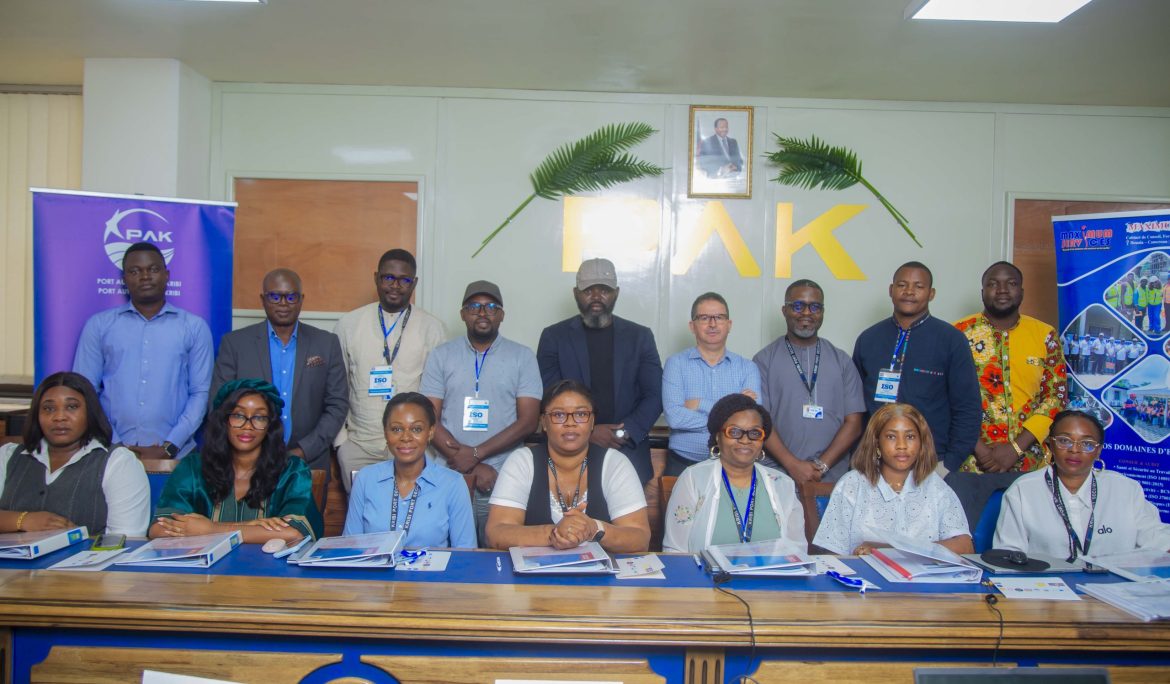
From December 1 to 3, 2025 in Douala, an intensive training program strengthened participants’ essential skills for auditing the 12 key processes of the Quality Management System and supporting the organization’s continuous improvement efforts.
From December 1 to 3, 2025, a dedicated internal auditor training session was held in Douala to reinforce the competencies required to conduct internal audits in accordance with ISO 9001:2015 and ISO 19011.
This session supports Phase 1 of the Quality Management System implementation, covering 12 core processes.
Understanding the Quality Management System (QMS)
Participants deepened their knowledge of ISO 9001 principles, including its structure, process approach, the PDCA cycle, and required documented information—ensuring a coherent assessment of QMS performance.
Mastering Audit Principles and Methods
Based on ISO 19011, the training covered auditing conduct guidelines, audit methods, essential terminology, and the specific roles of auditors, auditees, and audit leaders.
Audit Preparation and Planning
Trainees learned to use an audit program, review key documents (process sheets, indicators, dashboards), prepare tailored checklists, and clearly define audit objectives, scope, and criteria.
Conducting On-Site Audits
The program emphasized operational techniques such as opening meetings, observation, interviews, professional communication, and effective time management—ensuring objective and well-structured audits.
Analyzing Findings and Preparing the Audit Report
Participants are now equipped to identify nonconformities and improvement opportunities, draft clear and factual findings, structure an audit report, and present conclusions during the closing meeting.
Supporting Continuous Improvement
The training reaffirmed the importance of monitoring corrective actions and highlighted the crucial role of audits in enhancing organizational performance and strengthening quality culture.
Professional Conduct of the Internal Auditor
Neutrality, active listening, clear communication, analytical thinking, and effective teamwork are now recognized as key behaviors expected from trained internal auditors.